Featured

My First Blog Post

Pakistan

Interesting animals

Pakistan houses many different types of dangerous [ and really cute in my opinion.] cats. This week’s animal is the caracal a feline that has a jump to rival those of an adult kangaroo’s. Pretty high, right? The caracals have a cousin in North America, the lynx! Just like their cousin the caracals have tufts of fur on top of their ears to make predators and prey alike  think that it’s just a patch of grass.

Week 1 biryani

Today our dish is Biryani.

It has too many onions in it,so not my favourite. However Mom still loved, but still onions. Meanwhile Dad says that adding a bit of salt really helps, no mention of onions from him; thanks Dad.Now I’m going to ask Arthur what he thinks.

“ Not really.” he says “There were too many onions.“  He is definitely my brother.Then I turn to Adaya” It’s in the middle.” she said 

And now to draw to the conclusion.  Onions are totally disgusting!

the recipe we used was https://www.cookwithmanali.com/restaurant-style-vegetable-biryani/
Thank you for reading this post.

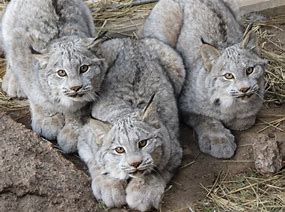
Canadian lynx

Now due to the fact that it’s easier to write about the about the animal than the food. So I’m publishing them separately.

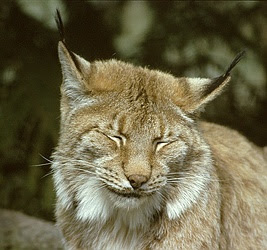
If you remember my first blog post (go read it if you haven’t already.) I wrote about the Caracal I am now writing about it’s Canadian cousin the (Canadian) lynx.

These medium- sized felines are both predator and prey. Although they are vicious (but cute all the same) they are prey for both wolves and coyotes.

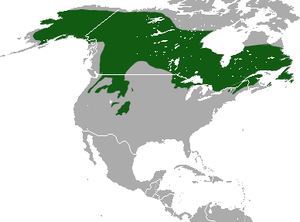
They live in Canada and a bit of the u.s. probably a few are in Yellowstone park. the habitat you’ll most likely find them in is a boreal forest with den under a fallen tree.

Canadian lynx territory

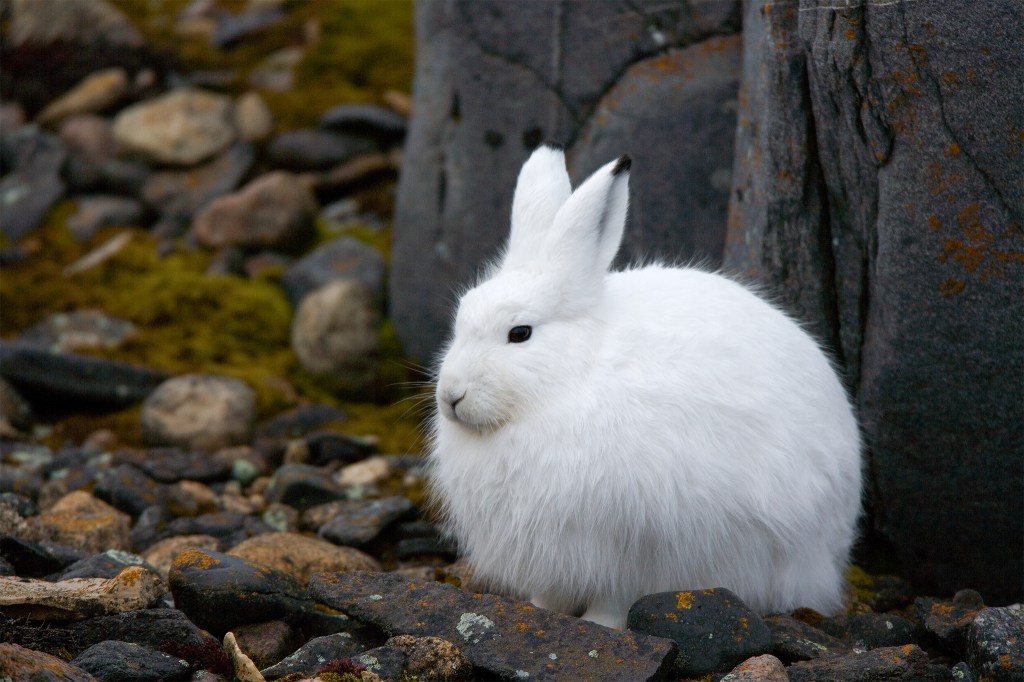
the diet is small rodents snowshoe hare and sometimes even caribou. The lynx population is based on how many snowshoe hare are around.

snowshoe hare

after mating the females are usually 4 months pregnant and the usual amount of kittens in a litter is 2-4 but can up to 8.

They mature depending on they’re gender a female kitten with a lot of prey around, can mature within a year. but a female without enough prey will mature within 2-3 years.

that is not a caracal kitten but it is a kitten .

because they (below)

  1. have snowshoe like feet
  2. have grey fur Not black+white
  3. to have black tipped short tail
  4. they live in the wild not a 🏠
  5. they are much,much,much,much bigger.

the usual life (in the wild ) is fifteen years but in captivity they live for 25 years; but I would say that letting animals live in the wild is better then captivity.

Please leave a comment on which country you’d like me to write about next

Japan

The animal

Our animal this week is the Japanese  macaque. 

Here’s a picture of the Japanese macaque. The macaque’s face somewhat resembles that  of a human’s. Its long fur is used to keep warm during winter. There are two types of macaques: the northern macaque and the southern macaque. The northern macaque lives on the northern area of the mainland of Japan and the southern macaque lives more on the islands in the southern region of Japan. Macaques are also called the snow monkey. One of its main threats is actually humans. They have other predators too like feral dogs and wolves but that’s only because macaques have no real predator in their environment. Like most of the monkey species in Japan the macaques are loved and protected by the native people but the population is decreasing because of deforestation. But another reason the macaque population is decreasing is because sometimes a single macaque is forced to go into a farm to find food and is killed by a farmer who claims to be protecting their crops.

The macaques that live in the nagano mountains up north like to rest in the hot water springs have become a tourist attraction.

Japanese Macaques (Macaca fuscata), Jigokudani Hot Spring

Our recipe this week is (vegetarian) sushi.

Here is the link for the rice https://www.food.com/recipe/minados-perfect-sushi-rice-119373

Did you know that sushi almost takes forever to make because it has a lot of steps? It’s true and you’ll get reallllly hungry waiting (or maybe it’s cause I’m building a fort out of branches by the deck.)

The rating this time is 120 out of 120. One of my favourites was avocado maki.

Mom took this photo.

The picture above has all the sushis

Is that a sheep or my sister?

Just to tell you the sheep part is a sticker

I took this one.

is that my giraffe chopstick topper?

Is my brother eating Ramen during sushi?

The ramen too was a sticker.

Mom and her plate of sushi.

Did you notice that one of the sushi has rice on the outside? 😯

that’s me .

No sticker needed.

Mexico

Our animal this week is the coati.

The white nosed coati and the Cozumel island coati are both found in mexico. The white nosed coati and the cozumel island coati both prefer to live in places with places to hide from predators. Their predators include jaguars and pumas,also birds of prey.

They’re omnivores and nocturnal so they hunt and scavenge at night. They eat amphibians and they also like to eat a variety of fruits, nuts and herbs. They live in jungles,deserts and grasslands. They usually have four babies per litter. Their snouts are quite large and their tails are super bushy. 

Our recipe this week is two recipes, tamales and churros. 

This tamale one turned out all right(only because the rest exploded. 😱)

This tamale exploded.

Here is a Picture of our churros

And the recipe for the tamales

Here’s the link for the recipe https://www.gimmesomeoven.com/how-to-make-tamales/

My rating for the churros is 86 out of 86 and my rating for the tamales is 70 out of 72 only because they were spicy. but only a bit alright.

Thank you for reading my blog.😊

Vietnam

The Vietnamese mouse-deer.

Our animal this week is the Vietnamese Mouse-Deer.

 It’s not only the size of a rabbit. But they haven’t been seen in the wild since 1990, so it’s hard to know much about it. but…… it was sighted in 2019 😀. 

They have long tusk-like front  teeth and scientists believe that they’re used for marking their territory 😠. That concludes my report on Vietnamese mouse-deer.

Our animal

Our recipe this week is pho.

I’m sorry about this but the recipe link isn’t working.

but I’ve have a list of ingredients.

  1. cilantro
  2. sweet basil
  3. mint
  4. jalapeno
  5. broth
  6. rice noodles
  7. mushrooms

I really liked it but the noodles are kind of tasteless and are hard to eat with chopsticks( which I used ).

My rating of this is 84 out of 100

I’d like to thank all of you who have read this.

The end

Peru

Week four : Peru

Our animal this week is the Peruvian fox. It’s a fox with 

HUGE ears! 

It’s 60 centimetres long and it’s tail is 25 centimetres long. 

They prefer to live in dens in desert, forests, plains or the 

arctic.

They like to eat small amphibians,lizards🐸 or any other small animals they can find. 

A picture of our animal

Pretty cute right. 

France

Our recipe this week is baguette and our animal is the black bellied hamster.

Interesting animals

This week’s animal is the black bellied hamster.🐹

The black bellied hamster is an animal from France that’s quite different to normal hamsters. This hamster is quite unafraid of fighting a barn cat.🐈

Scottish Fold Facts for Kids

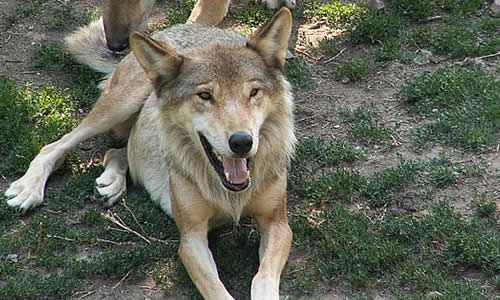
They are like wolves cause they tend to stick together and never attack without each other. and in conclusion black bellied hamsters are pawsome

Grey Wolf - Facts, Size, Diet & Habitat Information

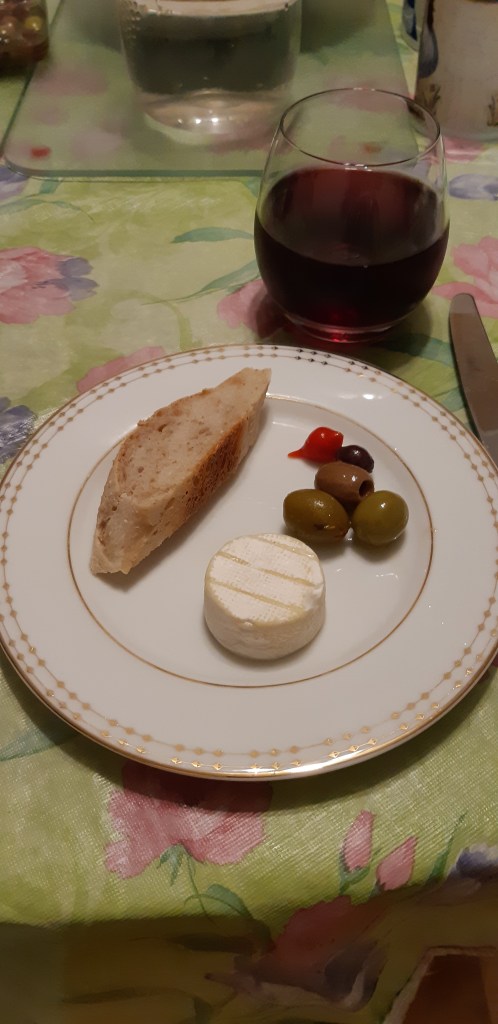
Our meal/ dish this time is BAGUETTE.

Our recipe this time is https://www.kingarthurflour.com/recipes/sourdough-baguettes-recipe

Kitty making baguette
final example

My rating this time is…………….. 29 out of thirty . So pretty tasty.

This concludes my blog post, thank you for reading

Ethiopia

Interesting animals

This week’s animal is the Ethiopian fox 🐺. The Ethiopian fox is facing extinction even though it’s the only fox that’s native to Africa, come on peeps you could at least be a bit considerate about your native fox! It’s most commonly found in places with lots of dense shrubbery and it’s adorable!

The dish and its reviews

This week’s dish is misir wat a dish from Ethiopia. My overall rating is a 7 it’s a bit spicy ( okay it’s really spicy) so if you have child(ren) you dial the spice down a bit.

https://www.daringgourmet.com/misir-wat-ethiopian-spiced-red-lentils this is the recipe we used

It also goes well with naan or pita bread and rice

Mom says”that it’s tasty and we should make we should make it again.”

My brother says” I kinda liked cause it’s goes well with naan.”

My sister says” I liked cause it’s really spicy.”

Design a site like this with WordPress.com
Get started